
Smarter Winding, Strategic Partner: Solving the Mass Production Challenge
Industrial
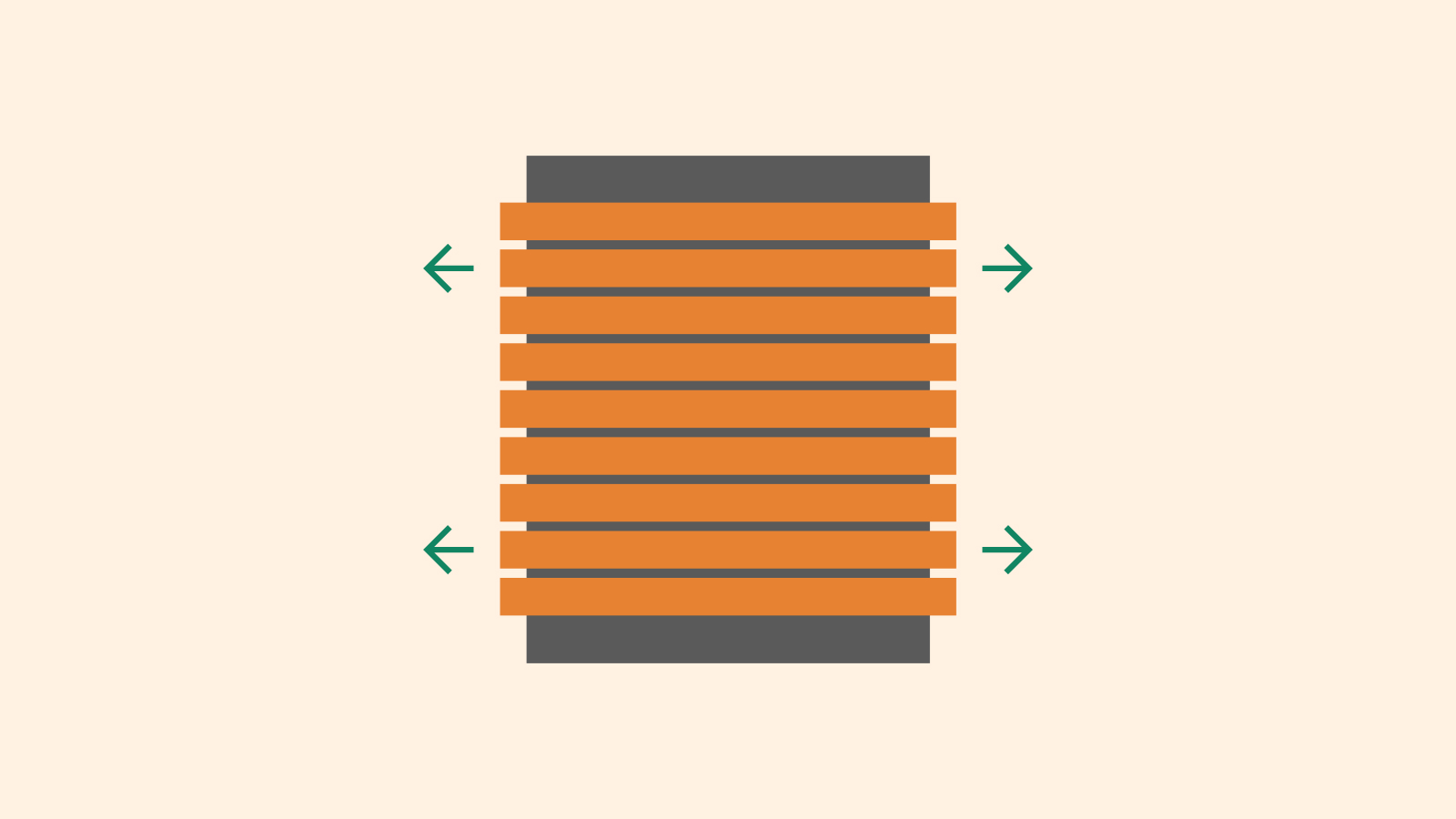
In the high-stakes arena of electronics manufacturing, the temptation is often to simply follow the blueprint. But as Elytone demonstrated with a recent global client, the most valuable supplier isn't the one who simply says "yes"—it's the one who asks "why?"
When a major customer approached Elytone, the brief seemed straightforward: they needed a second source for an existing magnetic component. However, with strict project deadlines and significant mass production investment at risk, the customer needed more than just a backup supplier—they needed a safeguard.
The Hidden Risk
Upon reviewing the specs, Elytone’s engineering team spotted a fragility in the plan. The customer’s original design used a complex multi-wire winding configuration. While theoretically functional, it was a recipe for inconsistency on the factory floor.
Our team identified that this approach would create uneven winding stacks, leading to localized "thermal hot spots" and difficult-to-control insulation. For the client, this meant lower reliability and higher AC losses.
The Intervention: A Tale of Two Prototypes

Instead of just pushing back with a report, Elytone engineered a side-by-side comparison. The team developed two prototypes in parallel to let the hardware do the talking:
The Request: The first unit was built strictly to the client’s original multi-wire specification. It was a physical proof of the problem, highlighting the cumbersome handling and inevitable variances that would plague a mass-production run.
The Recommendation: The second unit was Elytone’s alternative—an optimized flat-wire design.
The Resolution
Placed side-by-side, the difference was clear. The flat-wire solution didn't just look cleaner; it performed with superior logic. It erased the thermal inconsistencies of the round wire, offering a uniform thermal path that kept temperatures low. It slashed AC losses to boost efficiency and tightened insulation reliability.
Crucially for the executives, the flat-wire design offered better "window utilization." This meant the component could be smaller without sacrificing power—opening the door for further device miniaturization.
This exercise did more than salvage a product launch. By proving they could offer genuine engineering insight rather than just assembly-line capacity, Elytone redefined its role. They transitioned from a secondary option to a strategic partner, securing a seat at the table for the customer’s future technology roadmap.


